
Dark Web Monitoring
And you've removed all shared Dark Web Monitoring information from your Norton account? Whatever information the Dark Web Monitoring notices are reporting? Curious, that you're receiving so many, so often. I've not seen a Dark Web Monitoring notice. …and what does LifeLock by Norton support say? My subscription is for Norton 360 with LifeLock Select Plus.
Fwiw ~ my Protection Report online here loads okayfwiw ~ I’m allowing all Norton pages content. Think I may have got March report OK – can’t remember if got April.. As per bjm’s link – takes you to your AC log-in and comes up with unable to load your information – try again later. And your Norton 360 → Remote Management is on/green? Not getting all the features we are paying for – be a refund from Norton I assume.
- If it is other accounts then as a precaution one might want to change all passwords that use that email address as a username – or at least the sensitive ones.
- The other items like device security and cloud backup have green checks and are circled in green.
- Also, what is the Genie Scam Protection?
- The offer for the 'free' Norton Utilities Premium for having Norton 360 set to auto renew has been withdrawn.
The online help just sends you around circles. Perfect link – at least I’m not the only onw bjm – thanks for directing me there Also, what is the Genie Scam Protection? On home – It says Control Panel and next to it – Alerts – If there is a DWM alert will I see it there? Is it a glitch in my app or (most likely) something I’ve missed?
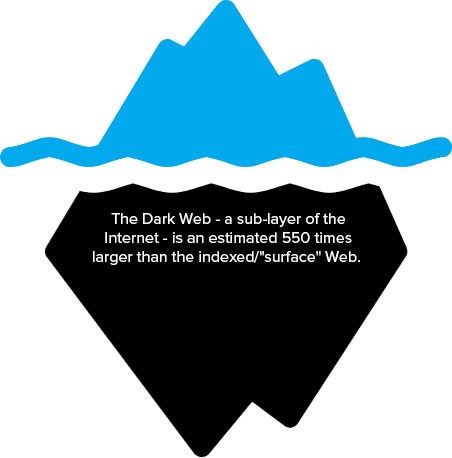
In an era where data breaches have become a grim routine, the dark web serves as a bustling underground marketplace for stolen credentials, corporate secrets, and personal information. Unlike the surface web, which is indexed by search engines, the dark web operates on encrypted networks like Tor, providing anonymity to cybercriminals and whistleblowers alike. Dark web monitoring has emerged as a critical cybersecurity practice, enabling organizations and individuals to detect when their sensitive data surfaces in these hidden channels, often long before actual financial or reputational damage occurs.
How Dark Web Monitoring Works
Dark web monitoring employs specialized tools that crawl .onion sites, forums, paste sites, and private chat rooms where illicit data is traded. These tools use automated bots and human analysts to scan for specific keywords, email addresses, domain names, or leaked database dumps. For example, if a company’s employee credentials appear in a ransomware data dump posted on a hacking forum, a monitoring service can generate an alert within hours. Passive monitoring simply checks for exposed data, while active monitoring may involve subscription to threat intelligence feeds or undercover infiltration of closed groups.
Key Types of Data Monitored
Not all data on the dark web is equally valuable, but monitoring focuses on high-risk items. Login credentials and financial data top the list, as they enable account takeover and fraud. Additionally, monitoring often targets intellectual property, trade secrets, and internal documents that could fuel corporate espionage. Personal identifiable information (PII), such as Social Security numbers, addresses, and medical records, is also a prime target for identity theft. Organizations also watch for mentions of their brand or executive names, as these can signal targeted phishing campaigns.
Benefits of Proactive Dark Web Intelligence
The primary advantage of dark web monitoring is early warning. A leaked password can be reset before a hacker uses it to breach a system, saving millions in remediation costs. Compliance requirements in sectors like finance and healthcare also mandate monitoring for data exposure under regulations like GDPR or HIPAA. Furthermore, monitoring helps organizations identify compromised third-party vendors, assess the scope of a data leak, and take legal action against perpetrators. Without this intelligence, breaches often go unnoticed for months, allowing attackers to deepen their foothold.
Limitations and Practical Considerations
Dark web monitoring is not a silver bullet. The dark web is vast and fragmented, and false positives can overwhelm security teams if alerts are not finely tuned. Encrypted or private channels, such as Telegram groups and Signal chats, may evade standard crawlers. Additionally, once data is posted on the dark web, it can be replicated and sold indefinitely. Effective monitoring therefore requires combining automation with expert human analysis, as well as integrating findings into an incident response plan. Budget constraints can also limit coverage, but even basic monitoring can catch the most common leaks.
Conclusion
As digital threats evolve, dark web monitoring has shifted from a niche security tool to a standard defense layer for both enterprises and individuals. It does not prevent breaches from happening, but it drastically reduces the window of vulnerability. By continuously scanning the shadowy underbelly of the internet, organizations can take preemptive action, protect their stakeholders, and maintain trust in an increasingly hostile online environment. Whether through automated alerts or dedicated threat intelligence teams, staying informed about what lurks in the dark remains essential.