
ZeroBin is a minimalist paste-bin tool that allows users to share text securely and privately on the Tor network. Tor has around 2 million daily users exploring over 65,000 onion sites. Tor Metrics highlights that about 22% of daily Tor users come from Russia, while the USA ranks second at 15%. It’s an interesting resource that translates Tor internet traffic levels into easy-to-digest stats. With a VPN, your data gets encrypted before it ever reaches the Tor network. Posts on controversial or even illegal topics are fair game, so the Tor website is a double-edged sword.
The market features a mix of global leaders and regional players competing on technology, pricing, and service capabilities. Challenges include high initial investment costs, integration complexities, and varying regulatory environment Regulatory standards influence product development, compliance requirements, and adoption rates, particularly in developed regions.
Dark Web Market
The dark web market represents a clandestine corner of the internet, accessible only through specialized software like Tor, where anonymity is the primary currency. These platforms facilitate the exchange of goods and services that are often illegal or heavily regulated, ranging from narcotics and stolen data to counterfeit documents. Unlike the surface web, transactions here rely on cryptocurrencies such as Bitcoin to obscure financial trails, creating a thriving but perilous ecosystem for both buyers and vendors.
Origins and Evolution
The modern dark web market traces its roots to the Silk Road, launched in 2011, which pioneered the use of escrow systems and user reviews. Despite law enforcement crackdowns that shuttered Silk Road in 2013, dozens of successor markets emerged, each adapting to improve security. Today’s markets employ features like multi-signature wallets and mandatory PGP encryption, while some operate as invite-only communities to avoid infiltration.
Key Characteristics
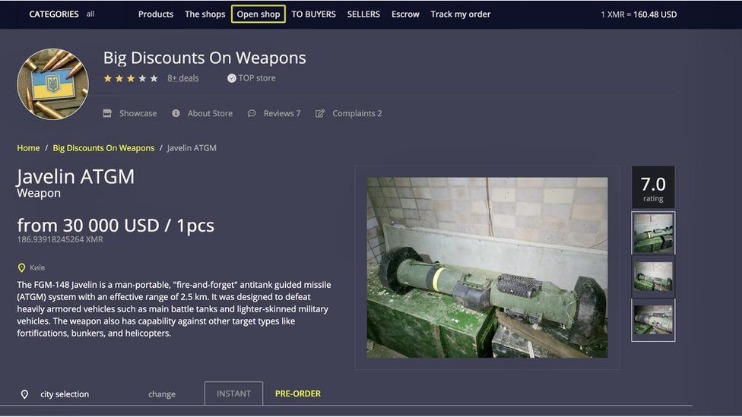
These markets function much like e-commerce sites, with categorized listings, product ratings, and customer support. However, their foundation is built on trust through reputation—vendors build scores over time, and disputes are resolved by moderators. Most transactions involve illegal drugs, but digital goods like hacking tools or compromised credentials are also common. Exit scams, where administrators vanish with user funds, remain a persistent risk.
Risks and Legal Implications
Participating in a dark web market carries severe legal consequences, as law enforcement agencies actively monitor these networks. Buyers face charges for possession or trafficking, while vendors risk lengthy prison sentences. Beyond legality, users also confront the threat of malware or phishing schemes embedded in market platforms. The anonymity, while appealing, does not guarantee protection from sophisticated tracking methods like blockchain analysis.
- The platform allowed users to buy and sell illicit substances anonymously, leveraging cryptocurrencies to facilitate transactions.
- Mohammed Khalil is a Cybersecurity Architect at DeepStrike, specializing in advanced penetration testing and offensive security operations.
- Fractional CISO services for B2B companies to build security programs
- Users can ask questions, share answers, and engage in discussions without revealing their identities.
The Future of Dark Web Markets

As encryption technology evolves, dark web markets are likely to adopt decentralized architectures, reducing reliance on a single server that can be seized. Some already integrate peer-to-peer networks or blockchain-based smart contracts to automate escrow and dispute resolution. However, increased international cooperation among cybercrime units suggests a continuous cat-and-mouse game. The dark web market will persist, but its landscape will remain volatile and shadowed by constant adaptation.