
Dark Web Marketplaces
In mid-March 2015, administrators froze its users escrow accounts, disallowing withdrawals, citing technical difficulties. Where it most prominently differed was in its more lax rules concerning stolen credit cards and others kinds of fraud, permitting, for example, the wholesaling of credit card data. Launched January 14, 2014, it saw rapid growth within its first several months, helped in part by law enforcement seizures of some of its competitors during the six-month-long investigation codenamed Operation Onymous. It highlights the dedication and advanced capabilities of law enforcement to penetrate the veil of anonymity, attribute threat actors, and bring them to justice. New markets will inevitably emerge, leveraging increasingly sophisticated privacy tools and operational methodologies.
The dark web, a hidden portion of the internet accessible only through specialized software like Tor, hosts a clandestine economy centered on dark web marketplaces. These digital bazaars, often operating as crypto-currency-enabled forums, facilitate the trade of goods and services ranging from the illicit to the mundane. Despite law enforcement crackdowns and the inherent risks of operating outside legal frameworks, these marketplaces persistently evolve, adapting new technologies and business models to survive. Understanding their structure, offerings, and vulnerabilities is essential for grasping modern cybercrime dynamics.
The Evolution of Illicit Trading Hubs
Mohammed Khalil is a Cybersecurity Architect at DeepStrike, specializing in advanced penetration testing and offensive security operations. Drop us a line we’re always ready to dive in. Explore our penetration testing services to see how we can uncover vulnerabilities before attackers do. If you're looking to validate your security posture, identify hidden risks, or build a resilient defense strategy, DeepStrike is here to help. Organizations should not ignore the dark web; instead, they must monitor it and pre-test their defenses. Drug sales may be the bread and butter, but fraud and data theft are equally pervasive.
Back then, the median credit limit on a stolen credit card was 240 times the price of the stolen card, or about 0.42 cents (US$0.0042) per dollar. That’s more than double the average price we recorded about eight months prior in a similar study, though that’s not the whole story. Physical cards are usually cloned from details stolen online, but can be used to withdraw from ATMs. Credit card details used for online fraud are cheaper and can be sent in a text message.
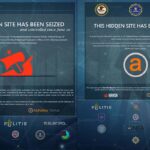
Pioneering sites like Silk Road, launched in 2011, established the blueprint for modern dark web marketplaces. They leveraged bitcoin for pseudonymous payments and a feedback system to build trust among anonymous buyers and vendors. Since Silk Road's seizure by the FBI in 2013, successors such as AlphaBay, Hansa, and Wall Street Market have risen and fallen. Each new generation of dark web marketplaces incorporates stronger encryption, decentralized hosting, and multi-signature escrow services to thwart infiltration. This cat-and-mouse game between administrators, users, and authorities continues to shape the niche.
- That said, you still might get malicious links in your search results, so you still need to proceed with caution with any page DuckDuckGo takes you to.
- Automated vulnerability assessment and remediation platform
- Attorney's Office for the Southern District of New York.
- At sentencing, Clayton said Lin used the internet to distribute more than one ton of narcotics while earning millions and contributing to widespread harm, including at least one confirmed overdose death.
- Brian’s Club is one of the longest-running carding sites referenced in U.S. criminal cases.
- We reviewed dark web marketplaces by analyzing publicly available cybersecurity reports, threat-intelligence research, and historical records.
Common Goods and Services
While media often sensationalizes extreme items, the most common listings on dark web marketplaces are illicit drugs (cannabis, opioids, stimulants), forged documents, stolen credit card data, and hacking tools. Some platforms also host digital services, including rent-a-botnet schemes, coupon fraud, and custom malware development. However, a surprising portion of listings remain legal, such as privacy-focused software, encrypted communication devices, or unregulated art. The anonymity of these marketplaces attracts both criminals and those seeking privacy from surveillance, making content moderation a persistent challenge.

Risks and Operational Challenges
- Arrests of operators usually lead to immediate shutdowns or silent exits.
- From 2003, the "Research Chemical Mailing List" (RCML) would discuss sourcing "Research Chemicals" from legal and grey sources as an alternative to forums such as alt.drugs.psychedelics.
- The Incognito Market platform functioned like a genuine e-commerce website because it provided branding solutions, customer service, and dispute-resolution systems.
- Where possible, we’ll also examine how prices have changed over time.
Engaging with dark web marketplaces carries significant perils. Buyers face scams, product contamination (e.g., fentanyl-laced substances), and potential prosecution if identified. Vendors risk exit scams, where administrators suddenly disappear with escrow funds. Law enforcement agencies like the FBI and Europol conduct ongoing operations to deanonymize users, employing techniques such as cryptotracing, server seizure, and undercover buys. Despite these risks, the allure of high profits and perceived anonymity keeps the ecosystem active, with newer platforms emerging even from major takedowns.
The Future of Dark Web Commerce

Trends indicate a shift toward monero-accepting markets to escape traceable bitcoin blockchains, as well as increasing reliance on marketplace aggregators and single-vendor shops (like those on Tor's onion service directories). Decentralized structures, such as OpenBazaar and peer-to-peer networks, reduce single points of failure, making them harder to dismantle. The growing integration of cryptocurrency tumblers and privacy-focused messaging apps will likely embolden smaller, more resilient dark web marketplaces. As regulatory frameworks adapt, these hidden economies will continue to redefine the boundaries of digital trade and criminal enterprise.