
Dark Web Onion Markets
Aleksander has a truck of radioactive waste moved into the power plant. The adult Jonas from the future reveals his identity to Hannah. Adam tells adult Noah to retrieve Claudia's diary in preparation for an "apocalypse" that will occur on 27 June 2020. Noah tells Bartosz that Claudia is their main adversary, and that the adult Jonas, unwittingly, is about to create the wormhole. The Stranger leaves to destroy the wormhole using the brass machine, which Tannhaus has completed from the broken version brought by the adult Jonas and Ulrich's smartphone.
The first season takes place primarily in 2019 but expands to include stories set in 1986, 1953, and – in the final scene of the first season – 2052, with several characters portrayed at various ages by multiple actors. The season also showcases the main events across all of these years, continuing the events of the season while also serving as backstory for the events of the first two seasons. The second season introduces Sic Mundus Creatus Est, a major faction in the ongoing battle for the ultimate fate of the people of Winden and the world.
- The second season was released on 21 June 2019, while the third and final season was released on 27 June 2020.
- It’s not just a great series – it’s arguably the platform’s greatest achievement in science fiction storytelling.
- The series explores the existential implications of time and its effect on human nature and life, with its plot structure making prominent use of the bootstrap paradox.
- Vulture included the series in its article A Guide to TV Shows in the 2010s as one of the most notable shows of the decade.
- In 2021, the BBC ranked the series as the 58th greatest TV series of the 21st century.
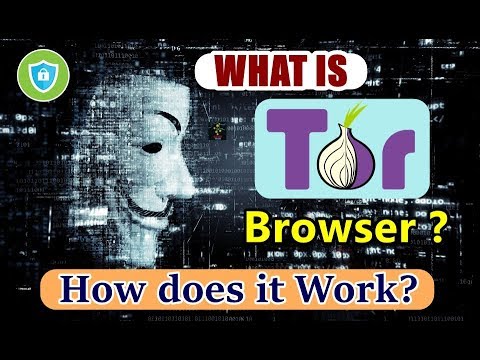
The dark web onion markets represent a clandestine corner of the internet, accessible only through specialized browsers like Tor that anonymize user activity. These encrypted marketplaces facilitate the trade of illicit goods and services, ranging from drugs and weapons to stolen data and hacking tools. Operating on a network of .onion domains, these markets have evolved from niche forums into highly structured e-commerce platforms, complete with escrow systems, vendor ratings, and customer support, all shielded from conventional law enforcement surveillance.
- The first season of Dark received mostly positive reviews from critics, with many noting its similarities to the TV series Twin Peaks and another Netflix series Stranger Things.
- The third season follows the four families across time in the wake of the apocalypse in 2020.
- The second season takes place several months after the first, depicting the initial stories in 2020, 1987, and 1954, respectively, while continuing the future-set storyline into 2053, and adding a fifth storyline, set in 1921.
- Meanwhile, BuzzFeed listed it as one of the 25 best TV shows of all time.
- In 2019, Mikkel's family struggles not to turn against each other, Regina discovers that she has breast cancer, and Ulrich learns that his father was having an affair with Claudia at the time of Mads' disappearance.
The series’ plot twists weren’t just plentiful – they were meticulously crafted, paying off narrative threads laid seasons earlier without ever feeling like shock tactics. The third and final season received critical acclaim, with the series finale receiving particular praise for being a satisfying conclusion to the story. The website's critical consensus states, "Dark's sumptuous second season descends deeper into the show's meticulously-crafted mythos and cements the series as one of streaming's strongest and strangest science fiction stories." At Rotten Tomatoes, season two of the series holds an approval rating of 100% based on 30 reviews, with an average rating of 8.1 out of 10. The first season of Dark received mostly positive reviews from critics, with many noting its similarities to the TV series Twin Peaks and another Netflix series Stranger Things. A second season was announced with a short teaser on the German Facebook pages of the series and Netflix on 20 December 2017.
The Structure of Onion Markets
Each dark web onion market typically mimics the layout of a legitimate online store, with categories, search functions, and user reviews. Sellers, known as vendors, list products with prices often denominated in cryptocurrencies like Bitcoin or Monero to ensure transactional privacy. Buyers navigate through layers of encryption and captchas to access these sites, which frequently change their .onion URLs to evade takedowns. The Silk Road, launched in 2011, set the template, but its closure by the FBI in 2013 led to a fragmentation of the ecosystem, spawning successor platforms like AlphaBay and Dream Market.
Trust and Scams on the Dark Web
Trust is a fragile commodity within dark web onion markets. Despite built-in reputation systems, exit scams remain a persistent threat, where administrators suddenly vanish with user funds. Vendors might accept orders but never ship products, leveraging the anonymity to avoid accountability. Buyers often rely on third-party forums and escrow services to mitigate risk, yet the inherent opacity of these networks means that fraud is common. The 2017 takedown of AlphaBay highlighted how government infiltration can exploit these trust mechanisms, seizing servers and freezing assets.
Law Enforcement and Ongoing Cat-and-Mouse
Authorities have employed undercover operations, blockchain analysis, and hacking to dismantle dark web onion markets. The 2022 operation to shut down Hydra Market, the largest Russian-language marketplace, demonstrated a coordinated effort across Europe and the U.S. However, new markets like Bohemia and Tor2Door quickly emerge to fill the void, leveraging decentralized technologies and multi-sig payments to resist seizure. This continuous cycle underscores the resilience of the dark web economy, where supply adapts to regulatory pressure.
Future of Onion Marketplaces
As encryption and privacy tools become more sophisticated, dark web onion markets are integrating features like atomic swaps and dead-drop shipping to reduce digital footprints. The rise of zero-knowledge proofs and peer-to-peer trading may further obscure transactions, making enforcement harder. Yet, the human element—such as addiction, greed, and betrayal—remains a vulnerability. These markets persist not only due to technology but because of the persistent demand for unregulated commerce, ensuring their role in the digital underground for the foreseeable future.